
UPI Transactions Charges: Government’s Official Clarification on the 2026 Bill
UPI transactions charges have become a major talking point after Parliament passed a new bill this week, sparking widespread confusion and rumors online. The Ministry of Finance has now stepped in with an official clarification to set the record straight.
Here’s exactly what changed, what it means for regular users, and what remains free.
What’s Happening with UPI Transactions Charges?
On August 6, 2026, the Lok Sabha passed the Taxation and Other Laws (Amendment) Bill 2026, which amends Section 10A of the Payment and Settlement Systems Act, 2007. This section previously placed a legal restriction preventing banks and payment providers from levying a Merchant Discount Rate (MDR) on UPI and other notified electronic payment modes. The new amendment removes that restriction.
News of this change quickly led to rumors suggesting that UPI transactions charges were about to be imposed on everyday users, prompting the government to issue an official clarification.
What Does the New Bill Actually Change?
It’s important to understand that this new law around UPI transactions charges is an enabling provision, not an immediate fee. The bill simply gives the Central Government the legal flexibility to permit charges on UPI and other notified payment modes in the future, through official notifications, if it chooses to do so. No specific rate, threshold, or implementation date has been announced through the bill itself.
Will Customers Be Charged for UPI Transactions?
According to the Ministry of Finance, no. All everyday citizen payments and person-to-person (P2P) transfers will continue to be completely free, exactly as they are today. The government has been explicit that this change does not translate into UPI transactions charges for regular users.
What About Merchants?
The picture is slightly different for merchants. Under the current framework, the vast majority of merchants will continue to face no charges at all. Only high-value merchant transactions above a certain threshold could eventually attract a nominal MDR, and even then, at rates expected to be substantially lower than standard debit or credit card transaction fees. The exact threshold and rate have not yet been specified and would require a separate government notification.
A Brief History: Why Was MDR Removed in the First Place?
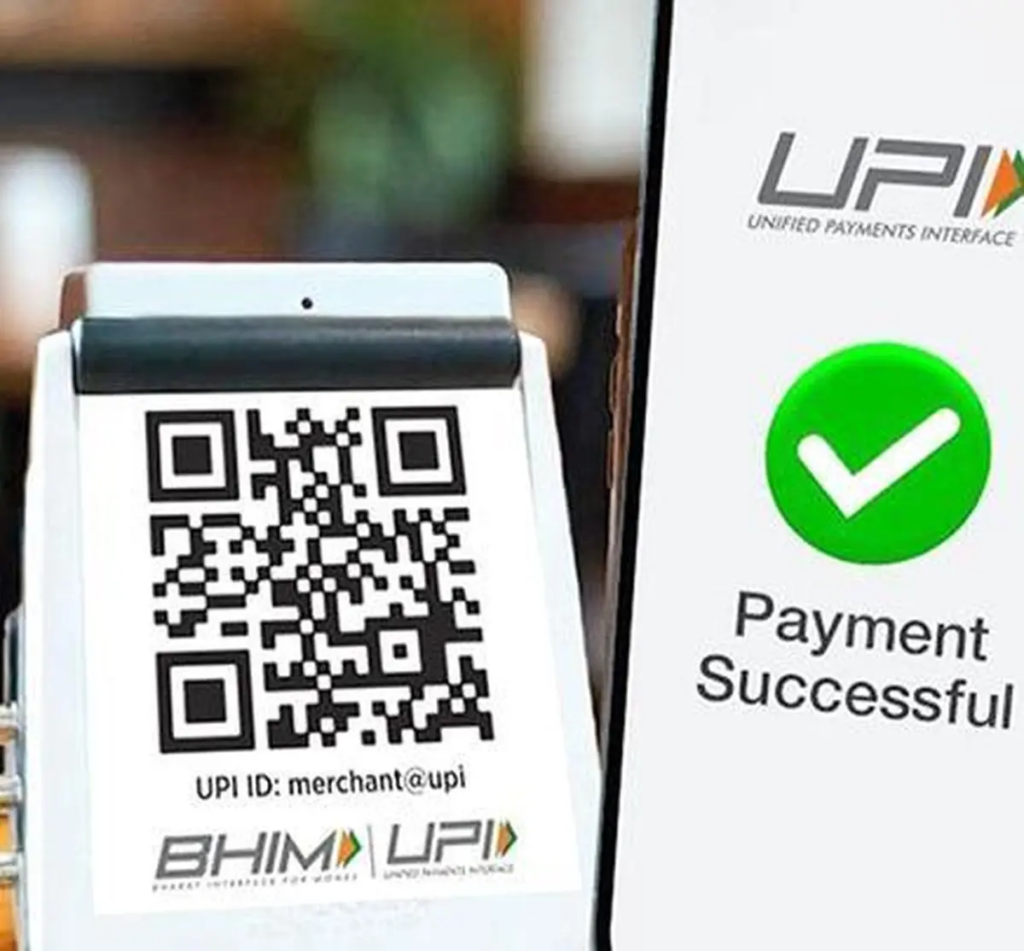
To understand why UPI transactions charges have become such a sensitive topic today, it helps to look back at how UPI became free in the first place. In December 2019, Finance Minister Nirmala Sitharaman announced that no MDR would apply on UPI and RuPay debit card transactions starting January 1, 2020. The goal was simple: remove every possible friction point to accelerate India’s shift toward digital payments.
Since banks and payment providers no longer earned MDR revenue on UPI transactions, the government stepped in with financial support instead. Union Cabinet approved incentive schemes to compensate banks for promoting RuPay and low-value UPI transactions, including an incentive of roughly Rs. 3,631 crore for the 2023-24 financial year alone. In effect, the government has been subsidizing the “free” UPI experience that users enjoy today.
The Broader Debate: Can UPI Stay Free Forever?
This isn’t the first time the zero-MDR policy has been questioned. Fintech companies and industry bodies have periodically argued that the blanket waiver is difficult to sustain now that UPI has become India’s dominant retail payment method, rather than a fledgling technology that needs blanket protection. RBI Governor Sanjay Malhotra has also hinted that UPI may not be able to remain entirely free indefinitely, suggesting that the cost of running the digital payments infrastructure could eventually need to be shared more broadly.
The new bill on UPI transactions charges should be understood in that context: it’s less about an imminent fee on your next grocery payment, and more about the government quietly building in the legal flexibility to manage this transition on its own terms, rather than being forced into a reactive decision later.
How to Avoid UPI Charges Scams and Misinformation
Whenever a story about UPI transactions charges goes viral like this, scammers often try to take advantage of the confusion. Keep these basics in mind:
- Don’t trust forwarded messages or unofficial screenshots claiming your UPI account will be charged or blocked unless you click a link.
- Never share your UPI PIN, OTP, or banking credentials with anyone, regardless of how official the message looks.
- Verify only through official sources, such as the Ministry of Finance, RBI, NPCI, or your bank’s verified app and website.
Why Was This Bill Introduced?
The government cited three main reasons for pushing this legislative change:
- Ecosystem sustainability: ensuring the UPI system remains technologically robust and financially sustainable in the long run.
- Cybersecurity and fraud prevention: strengthening the infrastructure that protects transactions.
- Rural expansion: extending UPI adoption into rural and semi-urban areas without depending entirely on government subsidies.
Government’s Official Statement
Responding directly to rumors that external pressure was behind the change, the Ministry of Finance stated that suggestions of “external influences… driving policy changes” were “unfounded, completely false and misleading.” The ministry also urged citizens to rely only on official communications from the Ministry of Finance, the Reserve Bank of India (RBI), and the NPCI, rather than unverified reports on social media.

For more updates on India’s banking, finance, and policy news, check out our Business section.
Frequently Asked Questions
Is there any charge on an UPI transaction?
No, not for regular users. Despite the new bill, there are currently no UPI transactions charges for everyday citizen payments or person-to-person transfers, and the Ministry of Finance has confirmed these remain completely free.
What is the UPI bill 2026?
The UPI bill 2026, officially the Taxation and Other Laws (Amendment) Bill 2026, is the legislation passed by the Lok Sabha on August 6, 2026, that removed a legal restriction preventing MDR from being charged on UPI. It enables potential future UPI transactions charges through government notification, but does not impose any charges by itself.
Will UPI remain free to use?
For individual users and P2P transfers, yes, UPI remains free with no UPI transactions charges planned. However, RBI Governor Sanjay Malhotra has hinted that UPI may not stay entirely free forever, and a small segment of high-value merchant transactions could eventually attract a nominal MDR fee.
What is the UPI bill?
It refers to the Taxation and Other Laws (Amendment) Bill 2026, which amended the Payment and Settlement Systems Act, 2007 to give the government flexibility over UPI transactions charges for notified electronic payment modes, primarily targeting select high-value merchant transactions rather than individual users.
When was the UPI charges bill passed?
The Lok Sabha passed the Taxation and Other Laws (Amendment) Bill 2026 on August 6, 2026.
Why did the government introduce this bill?
The government cited long-term ecosystem sustainability, stronger cybersecurity and fraud prevention, and expanding UPI into rural areas as the main reasons behind enabling future UPI transactions charges.
Pingback: FCRA Amendment Bill 2026: Official Provisions Cut Jail Term from 5 to 1 Year - NovaKhabar
Pingback: Tribunals Reforms Bill 2026: Official Overhaul Creates 1 National Commission - NovaKhabar
Pingback: What Are the New UPI Rules? Shocking 6 Big Changes for 2026