
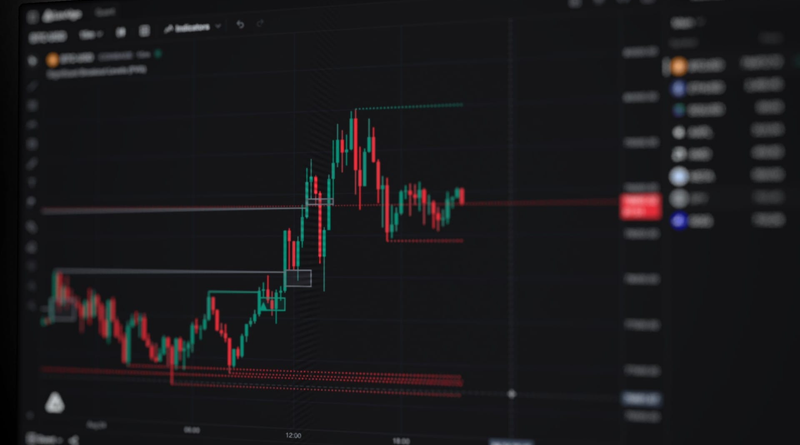
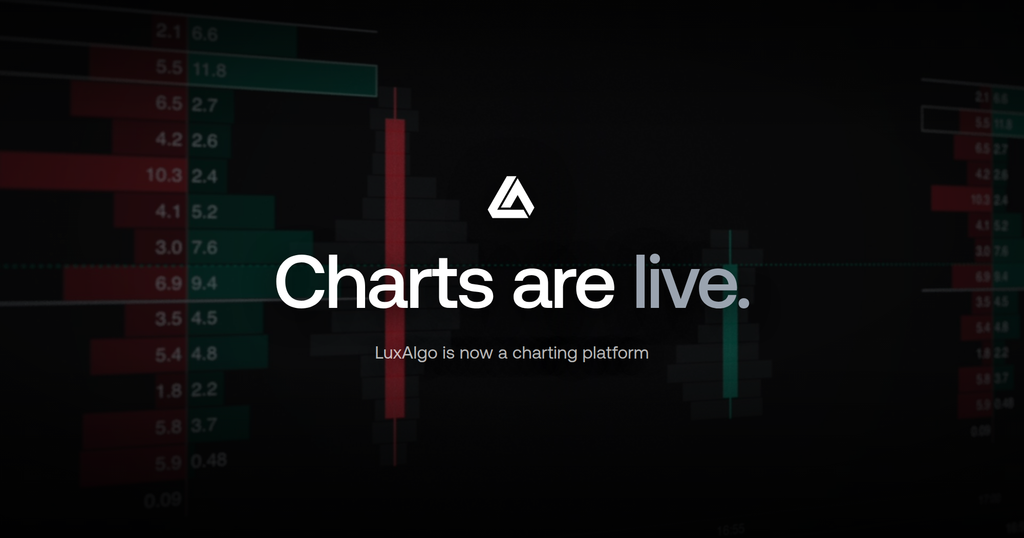
LuxAlgo Charting Platform Launch: Amazing Debut After 6 Years Building Tools
The LuxAlgo charting platform launch marks the biggest shift in the company’s six-year history, moving it from a tool add-on that traders installed on top of TradingView and similar services to a full, self-hosted charting platform of its own. LuxAlgo announced the change on its official blog, describing it as the largest upgrade the company has shipped since it began publishing technical analysis scripts five years ago.
What Actually Launched: From Toolkit to Full Charting Platform
For most of its history, LuxAlgo built indicators and strategy scripts that traders ran inside other companies’ charting software. The LuxAlgo charting platform launch changes that relationship entirely: charts, data, indicators and AI tools now all run inside a single interface that LuxAlgo controls end to end, rather than sitting as an add-on layer over someone else’s chart.
According to the company, this was a deliberate bet on building “for the agentic era from day one,” meaning the platform was designed around AI-assisted trading workflows rather than having AI features bolted on afterward.
Quant Charts: What’s Built In From Day One
The new charts, internally called Quant Charts, ship with an in-house rendering engine, a full orderflow suite included on every plan, licensed CME futures data, and the entire LuxAlgo Library of published indicators built directly into the interface. The Library alone spans more than 800 indicators accumulated over five years, now available inside the platform the same way built-in tools are on other charting software.
Multi-chart workflows get a sync toggle: turning it on makes the symbol, interval, crosshair and drawing style follow across every chart cell at once, while turning it off lets each chart run independently. This kind of multi-chart control is one of the smaller but genuinely useful details in the LuxAlgo charting platform launch. Orderflow features like footprint charts and TPO, traditionally sold as an expensive separate add-on requiring their own data feed, are included natively and built from real executed trades rather than inferred estimates.
Quant AI: Strategies From Plain Language
Central to the LuxAlgo charting platform launch is Quant, the company’s AI layer that sits inside every chart pane. Quant can read a chart, build an indicator or strategy described in plain English, and backtest it against historical data before a trader risks real capital. LuxAlgo says Quant is trained specifically on its own five years of published trading logic rather than general-purpose AI knowledge, so it treats concepts like liquidity sweeps or session levels as native vocabulary instead of looked-up definitions.
It’s worth noting that any backtest results LuxAlgo shows in its own marketing, including example win-rate and profit-factor figures, are illustrative demonstrations rather than guarantees of future performance. As with any trading tool, this is not financial advice, and past or simulated results don’t predict real-world outcomes.
Vela: The Open-Source Engine Behind It
Alongside the platform itself, LuxAlgo open-sourced the rendering engine that powers it, released separately as Vela, free for any developer building charts on the open web. The company frames this as consistent with its existing open-source projects, including PineTS and the Library itself, positioning open infrastructure as a long-term philosophy rather than a one-off gesture tied to this particular launch.
This isn’t LuxAlgo’s only recent move, and it helps explain the timing behind the LuxAlgo charting platform launch. Around three weeks before the charting platform launch, the company also expanded its Library with what it called its largest update yet, alongside a new MCP (Model Context Protocol) server that lets AI assistants pull structured, documented trading concepts directly from the Library rather than working from unorganized technical-analysis information scattered across the web.
Free vs Paid: What You Get at Each Tier
LuxAlgo’s free plan includes high-performance charts across major markets, the full Orderflow suite with a one-day lookback window, 500 monthly Quant AI credits, five tools per chart, one strategy alert, and full Library access, with no credit card required. Paid tiers scale up AI credits, Orderflow lookback, historical bar depth, backtesting depth, and the number of charts and tools available per tab. The one feature reserved strictly for paid plans is live futures data; every other market and timeframe is available on the free tier.
All paid plans carry a 30-day money-back guarantee, and LuxAlgo’s own announcement of the charting platform launch notes a limited-time annual discount tied to the rollout.
Why This Matters for Traders Already on TradingView
The LuxAlgo charting platform launch puts the company in more direct competition with the very charting platforms it used to depend on. For traders who already use LuxAlgo’s indicators as add-ons elsewhere, the pitch is consolidation: one surface for charts, data, the full indicator library, orderflow analysis and AI-assisted strategy building, instead of stitching together a chart platform, a separate orderflow tool, and a third AI assistant.
Whether that consolidation is enough to pull traders away from platforms they’ve used for years will likely play out over the coming months in the broader technology and fintech space, as LuxAlgo has said it plans to ship new features on the platform weekly.
Frequently Asked Questions
What is the LuxAlgo charting platform launch? The LuxAlgo charting platform launch is the company’s move from being an indicator add-on used on other charting platforms to operating its own full, self-hosted charting platform called Quant Charts.
Is LuxAlgo’s charting platform free to use? Yes, LuxAlgo offers a free-forever plan with charts, a limited Orderflow suite, 500 monthly Quant AI credits, and Library access; paid plans unlock live futures data and higher usage limits.
What is Quant in LuxAlgo? Quant is LuxAlgo’s AI system that builds indicators and trading strategies from plain-language descriptions and backtests them against historical market data.
What is Vela in relation to LuxAlgo? Vela is the open-source charting rendering engine LuxAlgo released alongside its platform launch, free for any developer to use for building charts on the web.