
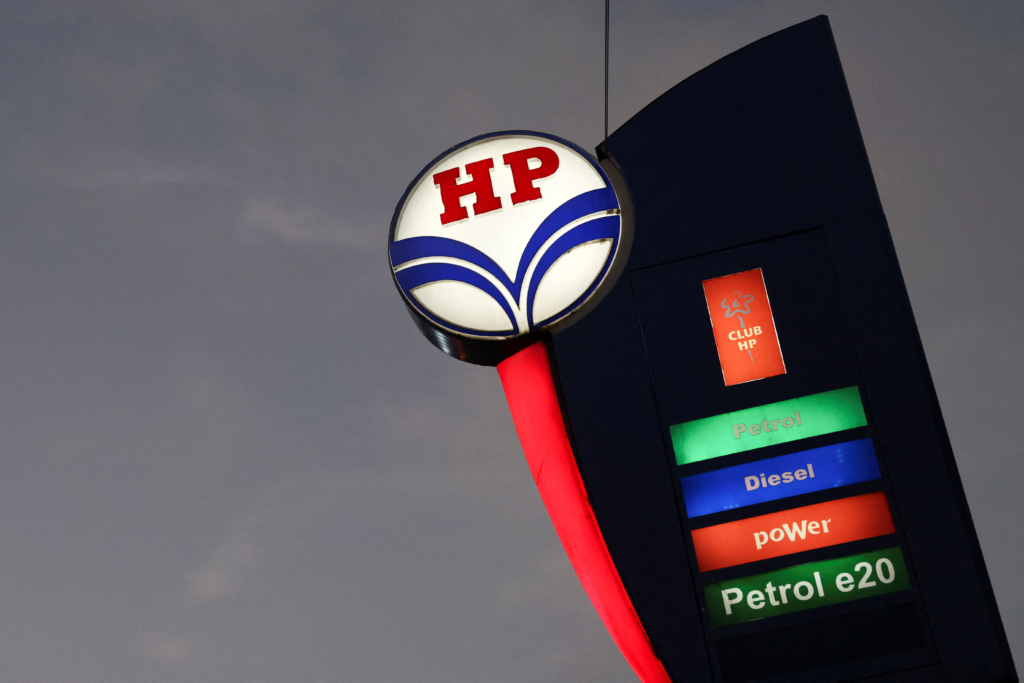
HPCL MRPL Oil Import Volumes: Official 5 Million Barrel Shift to Improve Security
HPCL MRPL oil import volumes have shifted sharply away from Russian crude in recent weeks, with the two state refiners together picking up around 5 million barrels of West African and Middle Eastern oil instead. Here’s a complete breakdown of what they bought, why the shift is happening now, and what it means for India’s crude sourcing strategy.
What’s Driving the Change in HPCL MRPL Oil Import Volumes?
Two separate pressures are reshaping HPCL MRPL oil import volumes this year. First, fresh US sanctions on Rosneft and Lukoil, Russia’s two largest oil companies, have made Russian barrels riskier to handle for refiners with international banking and shipping exposure. Second, traditional Middle East term supplies have repeatedly failed to arrive on schedule, with cargoes getting held up by shipping disruptions around the Strait of Hormuz and the Bab el-Mandeb strait, forcing refiners to look elsewhere for spot cargoes.
HPCL’s Latest Purchases
Within the broader shift in HPCL MRPL oil import volumes, Hindustan Petroleum Corporation Limited (HPCL) has been the more active buyer of the two:
- 2 million barrels of Nigerian Forcados and Bonga crude via Shell, bound for HPCL’s Visakh refinery (300,000 bpd capacity)
- 2 million barrels of Nigerian Okwuibome and Utapate crude via Glencore, bound for HPCL Rajasthan Refinery Limited (180,000 bpd capacity, in which HPCL holds a 74% stake)
That’s 4 million barrels of fresh non-Russian crude secured by HPCL alone in this round of buying.
MRPL’s Latest Purchase
On the MRPL side of the ledger, Mangalore Refinery and Petrochemicals Limited (MRPL) picked up around 1 million barrels of Omani crude from Mitsui & Co Energy Trading Singapore, at a premium of roughly $3 a barrel to Dated Brent. MRPL has also floated fresh tenders for spot crude while specifically asking suppliers to route cargoes away from the Strait of Hormuz and the Red Sea, a sign of how seriously refiners are now treating regional shipping risk.
Russian Oil: Paused, Not Fully Abandoned
Part of what’s reshaping HPCL MRPL oil import volumes is that MRPL has paused its Russian oil purchases altogether, citing the risks involved under the current sanctions regime, while HPCL, which had already been trimming its Russian intake over the past few months, has also paused fresh imports from Russia. MRPL has stated it remains in strict compliance with all sanctions currently in place and that no Russian crude is being imported at present.
This comes as the US Congress has introduced the Sanctioning Russia and Iran Act of 2026, aimed at Russian banks, energy revenues, the Kremlin-linked shadow tanker fleet, and networks that help sustain Moscow’s war in Ukraine, pressure that’s clearly flowing through to how Indian refiners plan their cargoes.
Why Russia Matters Beyond Oil for India
Russia’s relationship with India stretches well beyond crude purchases and touches infrastructure and logistics too, our coverage of the Russia India Railway Route looks at another dimension of that relationship currently being explored.
MRPL’s Diversification Paying Off Financially
The diversification behind current HPCL MRPL oil import volumes is already showing up in the numbers: MRPL processed 16.774 million tonnes of crude in FY26, refining 273 different grades of crude while running at 111.8% of its rated capacity, a scale of diversification that helped push its net margin to $9.22 a barrel for the year. The company is also reportedly scouting Venezuelan crude as another potential alternative to Russian barrels going forward.
The Bigger Compliance Picture
Beyond these two refiners, India’s broader crude import data, which will eventually reflect how HPCL MRPL oil import volumes fit into the national picture, is tracked by the government’s Petroleum Planning & Analysis Cell (PPAC), which will be the clearest signal of how much this pullback from Russian barrels actually moves the needle at a national level, beyond just HPCL and MRPL’s individual tenders.
Refiners aren’t the only ones navigating tighter compliance requirements this year either, our coverage of the FCRA Amendment Bill 2026 covers a similar tightening of rules around foreign-linked transactions in a completely different sector.
What This Means Going Forward
The shift in HPCL MRPL oil import volumes doesn’t mean Russian crude is off the table permanently, both companies have described their approach as a pause rather than a formal exit, and pricing on Russian barrels could once again make them attractive if discounts widen. For now, though, West African grades and non-traditional Middle Eastern supply are doing the heavy lifting in keeping these refineries running at full tilt.
For more business and market updates, check out our Business section.
Frequently Asked Questions
What’s changed in HPCL MRPL oil import volumes recently?
Both refiners have shifted a combined 5 million barrels toward Nigerian and Omani crude, while pausing fresh purchases of Russian oil amid tighter US sanctions.
Why did HPCL and MRPL stop buying Russian oil?
Fresh US sanctions on Rosneft and Lukoil made Russian crude riskier to handle, and both refiners have paused purchases as a precaution while staying in compliance with the current sanctions regime.
How many barrels of oil did HPCL buy recently?
HPCL bought a combined 4 million barrels of Nigerian crude in its latest round of purchases, split between its Visakh refinery and HPCL Rajasthan Refinery Limited.
Where is MRPL getting oil from now?
MRPL has been buying Omani crude and is also exploring Venezuelan oil, while routing tenders away from the Strait of Hormuz and the Red Sea.
What sanctions affected Russian oil supply to India?
The US sanctioned Rosneft and Lukoil, Russia’s two largest oil companies, and Congress has introduced the Sanctioning Russia and Iran Act of 2026 targeting Russian energy revenues and sanctions-evasion networks.
Is India still buying any Russian oil?
As of the latest updates, MRPL and HPCL have both paused Russian crude purchases, though neither has ruled out resuming them if conditions change.

Pingback: Sensex Nifty Stock Market Today: Amazing Rebound Ends 3-Day Losing Streak - NovaKhabarSensex Nifty Stock Market Today: Amazing 3-Day Slide Ends