
Section 54B Section 54F Tax Exemption: Official ₹10 Crore Limit
Section 54B section 54F tax exemption rules look similar on the surface, both let you avoid capital gains tax by reinvesting sale proceeds, but they apply to different assets, calculate the exempt amount differently, and can sometimes be claimed together on the same transaction.
What Do Section 54B and Section 54F Actually Exempt?
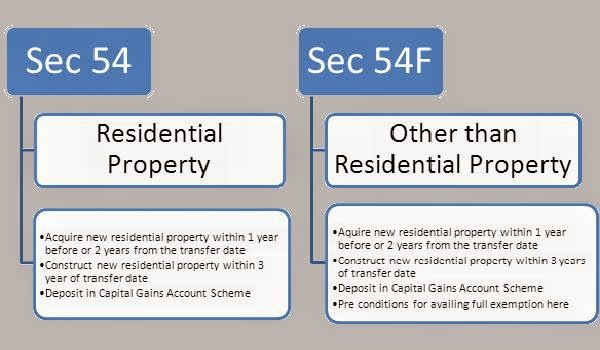
Section 54B exempts capital gains specifically from the sale of agricultural land, provided the proceeds go into buying new agricultural land, while Section 54F exempts gains from selling almost any other capital asset, like shares, gold, or a plot, as long as the proceeds go into buying or constructing a residential house.
This distinction matters more than it looks, Section 54B only ever applies when the asset being sold is agricultural land, it has no relevance if you’re selling shares or a non-agricultural plot. Section 54F works the other way around, it specifically excludes residential house property from what it covers, since selling a house and buying another house is a separate provision, Section 54, not Section 54F at all.
Who Can Claim Section 54B Section 54F Tax Exemption?
Both sections are available only to individuals and Hindu Undivided Families (HUFs), not companies, firms, or other entity types.
For Section 54B specifically, the agricultural land being sold must have actually been used for agricultural purposes by the taxpayer, or their parents in the case of an individual, for at least two years immediately before the sale. For Section 54F, there’s a separate and commonly missed condition, on the date of selling the original asset, the taxpayer must not already own more than one other residential house, if two or more other houses are already owned, Section 54F cannot be claimed at all, regardless of how the new property purchase is structured.
How Is the Exempt Amount Calculated Differently Under Each Section?
This is the single biggest practical difference between the two provisions, and it’s where many taxpayers miscalculate their actual tax savings.
Under Section 54B, if you reinvest the entire sale proceeds into new agricultural land, the entire capital gain is exempt, if you reinvest only part of it, the exemption is reduced proportionately to match. Section 54F works on a different base entirely, the exemption isn’t calculated against the capital gain amount, it’s calculated as a proportion of the net sale consideration, meaning the total amount you received from the sale, not just the profit portion. ClearTax’s detailed breakdown of Section 54F explains this net-consideration calculation with worked examples, since it consistently confuses taxpayers who assume all capital gains exemptions work the same way.
What Is the ₹10 Crore Limit Under Section 54F?
Section 54F exemption is capped at ₹10 crore of investment in the new residential property, a limit introduced through the Finance Act 2023 and applicable from Assessment Year 2024-25 onward.
If the cost of the new residential house exceeds ₹10 crore, the exemption calculation simply ignores the amount above that threshold, it doesn’t disqualify the claim entirely, it just caps how much of the investment counts. Section 54B does not carry a similar rupee cap, its limit is functional rather than monetary, the exemption is capped by how much of the sale proceeds actually gets reinvested into new agricultural land, not by any fixed rupee ceiling.
How Long Must the New Asset Be Held?
Both sections require the newly purchased asset to be held for a minimum of three years, and both will reverse the exemption if this condition is broken.
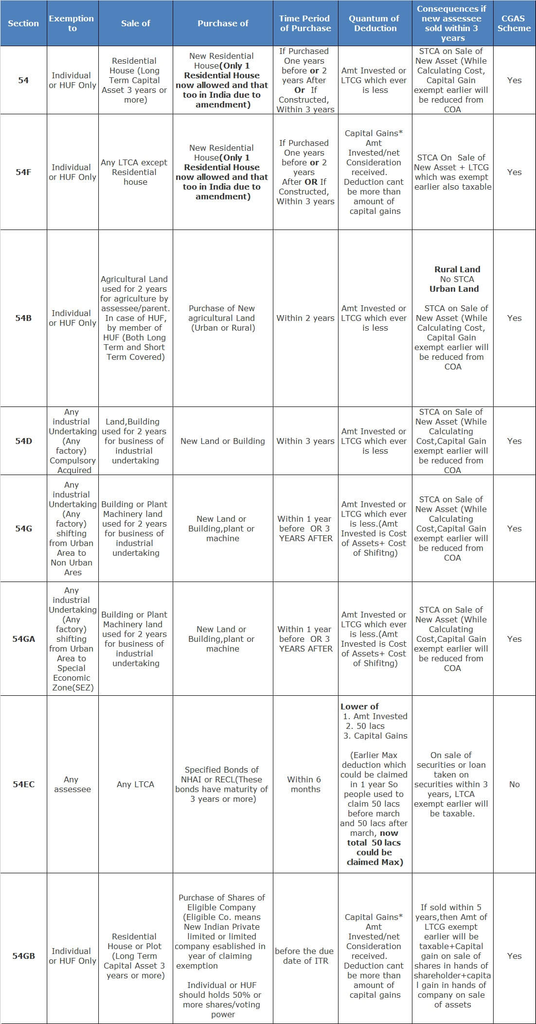
Under Section 54B, if the new agricultural land is sold within three years of purchase, the capital gains exemption originally claimed becomes taxable in the year the new land is sold. Section 54F works the same way for the new residential house, selling it within three years converts the earlier exemption into taxable long-term capital gains in that later year, effectively this is a deferred clawback provision in both cases, not a one-time, no-strings benefit.
What Happens If I Can’t Reinvest Before Filing My ITR?
If you haven’t actually purchased the new agricultural land or residential property by the time your income tax return is due, both sections allow you to deposit the unutilised capital gains into a Capital Gains Account Scheme (CGAS) account at an authorised public sector bank before that ITR filing deadline.
Money parked in a CGAS account still needs to be used for the intended purchase or construction within the original time limit, two years for new agricultural land or a purchased house, three years for a constructed house. If the deposited amount is never used within that window, it gets taxed as capital gains in the year the time limit expires, so a CGAS deposit buys time, it doesn’t make the reinvestment requirement optional. This article is for general information only and is not tax advice, capital gains calculations depend heavily on individual transaction details, so always consult a qualified chartered accountant before filing a return claiming either exemption.
Can I Claim Both Section 54B and Section 54F Together?
Yes, Section 54B and Section 54F can both be claimed on the same overall financial year if the underlying transactions genuinely qualify for each, since they apply to different asset sales and different reinvestment types.
A common real scenario is someone selling agricultural land, using part of the proceeds to buy new agricultural land to claim Section 54B, and separately having long-term capital gains from another asset sale, like shares or gold, that they invest into a residential house to claim Section 54F. What doesn’t work is trying to stretch a single sale transaction to satisfy both sections simultaneously, a genuine Section 54B section 54F tax exemption claim on the same return always rests on two separate qualifying sales, each with its own qualifying reinvestment. For more business and finance coverage, check out our Business section.
Frequently Asked Questions
Does Section 54B apply to agricultural land in any location?
The land must have been actually used for agricultural purposes for the required period, location-specific rules around what counts as a “capital asset” for agricultural land can affect whether a sale is even taxable in the first place, so this is worth confirming with a tax professional for land near municipal limits specifically.
Can NRIs claim Section 54F?
Generally yes, NRIs can claim Section 54F if they meet the same ownership and reinvestment conditions as resident individuals, though NRIs should separately check FEMA rules around purchasing residential property in India.
Is there a minimum holding period for the original asset sold under either section?
Yes, both sections require the original asset sold to have been a long-term capital asset, meaning it was held beyond the applicable long-term holding threshold before the sale.
What if I buy the new house jointly with my spouse under Section 54F?
Joint ownership structures under Section 54F have been interpreted differently across tax tribunal rulings depending on who contributed the funds, making professional advice particularly important in joint-purchase scenarios.
Does Section 54F exemption apply to a house purchased outside India?
No, the residential house purchased or constructed to claim Section 54F must be located in India.
