
New COVID Variant: Official WHO Symptoms and 2026 Severity Update
The new COVID variant drawing attention in 2026, known officially as BA.3.2, is classified by the World Health Organization only as a Variant Under Monitoring, not a higher-concern Variant of Interest or Variant of Concern, despite some media coverage using the unofficial nickname “Cicada.”
What Are the Symptoms of the New COVID Variant?
The new COVID variant generally causes the same core set of respiratory symptoms seen throughout the pandemic, cough, fever or chills, sore throat, congestion, fatigue, and headache, with shortness of breath and gastrointestinal symptoms like diarrhea or vomiting reported less commonly.
One notable pattern across recent variants, including this one, is that loss of taste or smell is reported far less often than it was with earlier COVID strains, which were originally defining symptoms of the disease. Since these symptoms overlap heavily with the common cold and flu, testing remains the only reliable way to confirm whether an illness is actually COVID rather than another respiratory infection, especially during periods when multiple seasonal illnesses tend to circulate at once.
How Long Does the New COVID Variant Last?
Most people experience symptoms for about a week to ten days, though fatigue and a lingering dry cough can persist for several weeks after the main illness has resolved in some cases.
According to the World Health Organization’s variant tracking page, BA.3.2 was first documented in late November 2024 and received its risk designation in December 2025, meaning health authorities have had over a year to study it, though a detailed, variant-specific breakdown of illness duration hasn’t been separately published by WHO. For most otherwise healthy people, a mild case can mean a few days of feeling unwell followed by a slower return to full energy, rather than being acutely sick the entire time.
How Serious Is the New Variant of COVID?
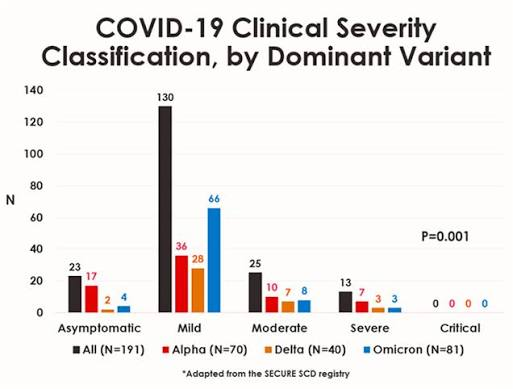
As of WHO’s most recent assessment, BA.3.2 sits in the Variant Under Monitoring category, a lower tier than Variant of Interest or Variant of Concern, which reflects ongoing observation rather than a confirmed, elevated public health threat.
This matters because WHO hasn’t currently classified any variant as a full Variant of Concern, the most serious tracking tier. That said, WHO itself notes that mutations can potentially affect how easily a variant spreads, its disease severity, or how well vaccines and treatments work against it, which is precisely why monitoring continues even at this lower tier. Vulnerable groups, including older adults and people who are immunocompromised, continue to face meaningfully higher risk than the general population regardless of which specific variant is circulating.
Understanding WHO’s three-tier system helps put this in perspective, a Variant Under Monitoring is being watched because of specific genetic changes, a Variant of Interest shows evidence those changes are actually affecting transmission or disease outcomes, and a Variant of Concern meets a higher bar of demonstrated, significant public health impact. BA.3.2 currently sitting at the first and lowest of these three tiers is a meaningfully different situation than headlines implying an active global threat might suggest.
Is COVID Milder Now in 2026?
For most people, yes, largely because of high baseline population immunity built up through years of vaccination and prior infection, not necessarily because the virus itself has become fundamentally weaker.
This is an important distinction, a variant causing milder average symptoms across a well-immunized population isn’t the same as a virus that has become inherently less dangerous to everyone, and the picture can look very different for someone with no prior immunity or a weakened immune system. It’s also worth noting directly that “Cicada,” the nickname attached to this variant in some media coverage, doesn’t appear anywhere in WHO’s official variant tracking documentation, which uses standard Pango lineage names like BA.3.2 instead.
Staying up to date with currently recommended vaccines and boosters, where eligible, remains the most consistently recommended way to reduce the risk of a more severe case, regardless of exactly how mild the average experience with the new COVID variant might sound in casual conversation or social media posts.

How to Recover From the New COVID Variant?
Standard supportive care, rest, staying well-hydrated, and over-the-counter medication for fever or aches, remains the main recommended approach for mild cases of this new COVID variant, the same general guidance that’s applied throughout the pandemic.
Isolating while symptomatic helps reduce spread to others, and gradually returning to normal activity as energy improves is generally advised over pushing through fatigue too quickly, since that lingering tiredness has been a consistently reported feature even in otherwise mild cases of the new COVID variant. This article is for general informational purposes only and isn’t a substitute for professional medical advice, anyone with concerning or worsening symptoms should consult a doctor directly. For more health and wellness coverage, check out our National section.
Frequently Asked Questions
Are current COVID vaccines still effective against the new variant?
WHO notes that mutations can potentially reduce vaccine effectiveness, though a detailed, confirmed vaccine-effectiveness assessment specific to BA.3.2 hasn’t been separately published by WHO as of this writing, so check current guidance from your national health authority.
Should I get tested if I have cold-like symptoms right now?
Yes, since the new COVID variant’s symptoms overlap heavily with colds and flu, testing is the only reliable way to confirm whether an illness is actually COVID.
Who is at higher risk from the new COVID variant?
Older adults, people who are immunocompromised, and others with underlying health conditions continue to face meaningfully higher risk than the general population.
When should I see a doctor instead of recovering at home?
Anyone experiencing difficulty breathing, persistent chest pain, confusion, or symptoms that worsen rather than improve should seek medical care promptly rather than continuing to manage symptoms at home on their own.
