
Japan Earthquakes Tokyo: Shocking 3rd Quake in Days Injures 37
Japan earthquakes Tokyo residents have felt this week culminated in a magnitude 5.9 quake early Sunday that injured at least 37 people, the third notable tremor to hit the wider Kanto region in just a few days. Here’s what happened, how it fits into a broader pattern, and what officials are warning residents about next.
What Happened in the Latest Japan Earthquakes Tokyo Felt?
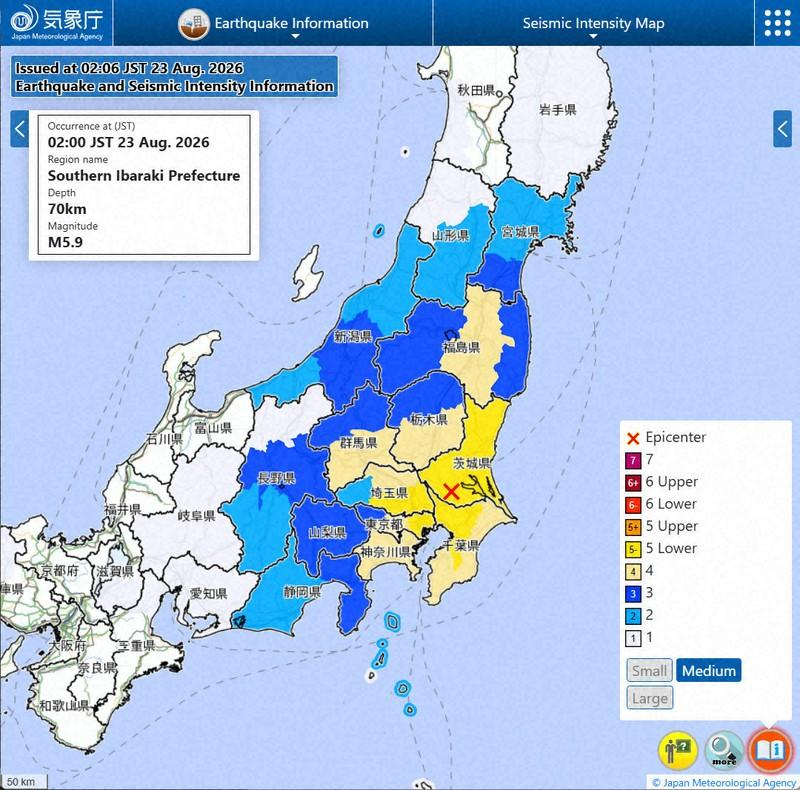
The strongest of the recent Japan earthquakes Tokyo has experienced struck at 2 a.m. on Sunday, August 23, 2026, centred in southern Ibaraki Prefecture at a depth of 70 kilometres. Shaking reached a lower-5 on Japan’s seven-point shindo seismic scale in Tokyo’s Adachi Ward as well as in Ibaraki, Saitama, and Chiba prefectures, with level-4 shaking felt in other parts of Tokyo and in Tochigi, Gunma, and Kanagawa. Earthquake early warning alarms sounded on mobile phones just before the shaking began, which lasted up to a minute in some areas.
A Pattern of Multiple Quakes in Days
This wasn’t an isolated event. A magnitude 4.3 earthquake hit Ibaraki on August 20, followed by a magnitude 5.4 quake near Hachijo, Tokyo, on August 21, before Sunday’s larger magnitude 5.9 tremor. Three Japan earthquakes Tokyo and the surrounding Kanto region have experienced within a single week is enough to draw attention, even without any of them individually reaching a scale considered catastrophic.
Injuries and Damage
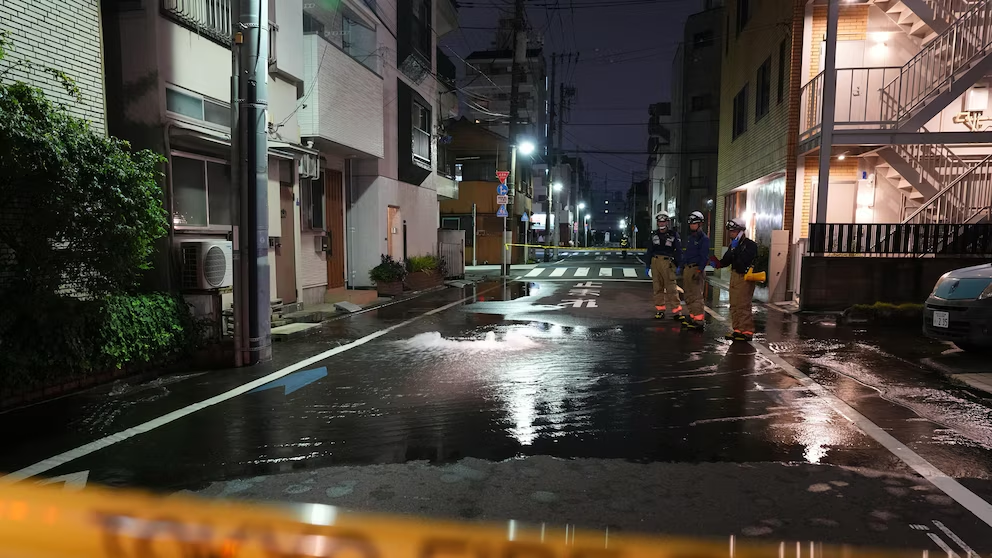
The human cost of the latest Japan earthquakes Tokyo and Kanto residents have dealt with became clear quickly. At least 37 people were injured across the Kanto region in Sunday’s quake, including one person seriously injured in Kanagawa Prefecture. The ceiling at Ushiku City Hall in Ibaraki Prefecture partially collapsed. Authorities confirmed there was no tsunami threat from the quake, and transport services faced some disruption in the hours that followed.
Why Are These Earthquakes Happening Now?
Japan sits on the Pacific Ring of Fire, a zone of intense seismic and volcanic activity, which makes clusters of earthquakes within short periods not unusual on their own. Seismologists are generally cautious about drawing firm conclusions from a short sequence like this one. Robert Geller, professor emeritus at the University of Tokyo, has said of forecasting from earthquake swarms and clusters, “I think we should take a wait-and-see attitude,” reflecting how difficult it remains to predict whether a series of moderate quakes signals anything about future seismic activity in the same area.
Aftershock Warning
Anyone tracking the recent Japan earthquakes Tokyo has seen should pay attention to this part. Following Sunday’s quake, authorities warned residents to remain alert for the possibility of similarly strong shaking over the coming week, a standard precaution issued after any earthquake of this magnitude given the elevated chance of aftershocks in the affected region.
A Difficult Year for Seismic Activity in Japan
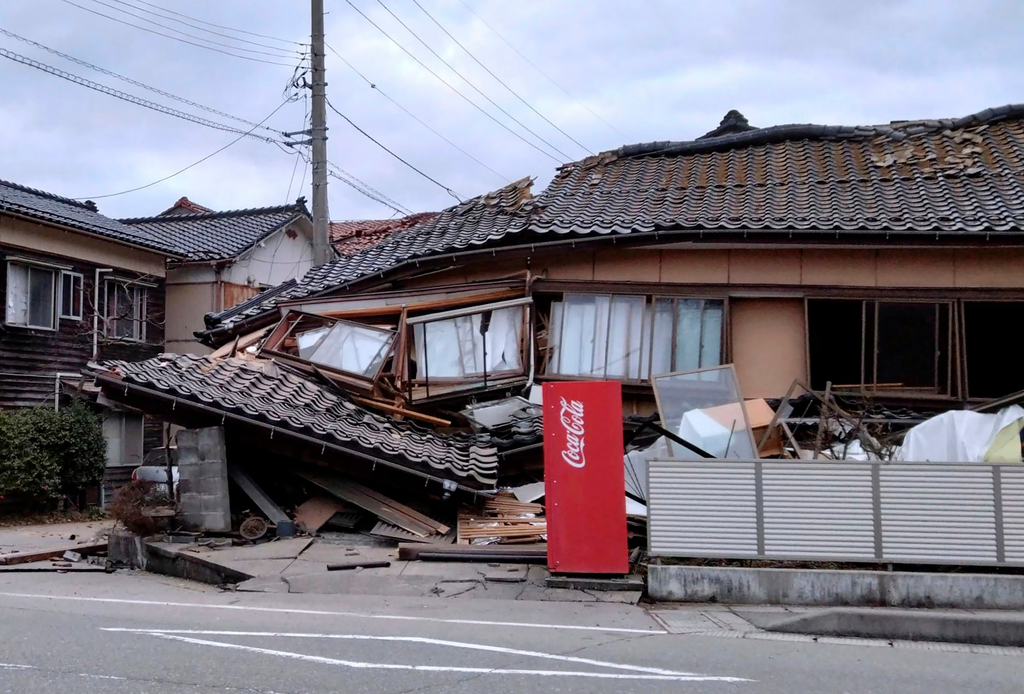
The recent Japan earthquakes Tokyo has felt come against the backdrop of a more serious event elsewhere in the country. A magnitude 6.8 earthquake struck Kumamoto Prefecture on July 28, 2026, killing at least 39 people and injuring more than 350, a far more severe event than the recent Kanto-region tremors, though it underscores how active Japan’s seismic year has been overall.
Natural Disasters Elsewhere This Year
Earthquakes aren’t the only natural hazard that’s made headlines around the world this year, our earlier coverage of the Ghatkopar Kurla landslide looked at a very different kind of disaster driven by heavy rainfall in Mumbai. Official earthquake updates and safety guidance for Japan are available through the Japan Meteorological Agency.
What Happens Next
With authorities cautioning that similarly strong shaking could occur over the next week, residents across the Kanto region are being advised to stay alert, even though Sunday’s magnitude 5.9 quake caused no fatalities and no tsunami threat was issued.
For more national and world news updates, check out our National section.
Frequently Asked Questions
How many earthquakes has Tokyo had recently?
At least three notable quakes hit the wider Kanto region within a week in August 2026, including magnitude 4.3, 5.4, and 5.9 tremors.
Was there a tsunami warning after the Tokyo earthquake?
No, authorities confirmed there was no tsunami threat following the magnitude 5.9 earthquake on August 23, 2026.
How many people were injured in the Tokyo-area earthquake?
At least 37 people were injured across the Kanto region, including one person seriously injured in Kanagawa Prefecture.
Is the recent Tokyo earthquake related to the Kumamoto earthquake?
They aren’t confirmed to be directly linked. The Kumamoto earthquake on July 28, 2026, was a separate, more severe event in a different part of Japan that killed at least 39 people.
Are more earthquakes expected in Tokyo soon?
Authorities have warned residents to remain alert for similarly strong shaking over the coming week as a standard precaution following a quake of this magnitude.
