
Indian Railways PPP Station Redevelopment: Amazing 15-Station Plan Hits a Snag
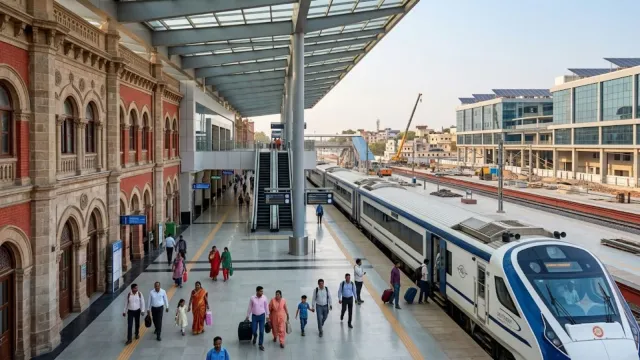
Indian Railways PPP station redevelopment is back in the spotlight after Railway Minister Ashwini Vaishnaw updated Parliament on the programme’s progress on August 7, 2026 — revealing both a list of stations moving forward and a notable setback at one major site.
Here’s everything confirmed so far about the plan, the stations involved, and what’s holding one project back.
What Is the Indian Railways PPP Station Redevelopment Plan?
Under the Ministry of Railways’ model, private companies invest in and redevelop railway stations, modernizing terminals, adding retail and commercial spaces, and improving passenger amenities, in exchange for rights to operate and monetize parts of the redeveloped space. It’s a different funding route from the more commonly used Engineering, Procurement and Construction (EPC) model, where the government directly funds and executes the work.
The 15 Stations Under Indian Railways PPP Station Redevelopment
According to the minister’s statement in the Rajya Sabha, 15 stations have been identified under this framework:
- Vijayawada
- Coimbatore Junction
- Krantivira Sangolli Rayanna Bengaluru
- Chennai Central
- Andheri
- Avadi
- Tambaram
- Bhopal
- Vadodara
- Kalyan
- Dadar
- Anand Vihar
- Delhi Junction
- Hazrat Nizamuddin
- Pune
Fourteen of these stations are currently at various stages of master planning and financial modelling, according to the ministry’s update.
Vijayawada Station: A Bidding Setback
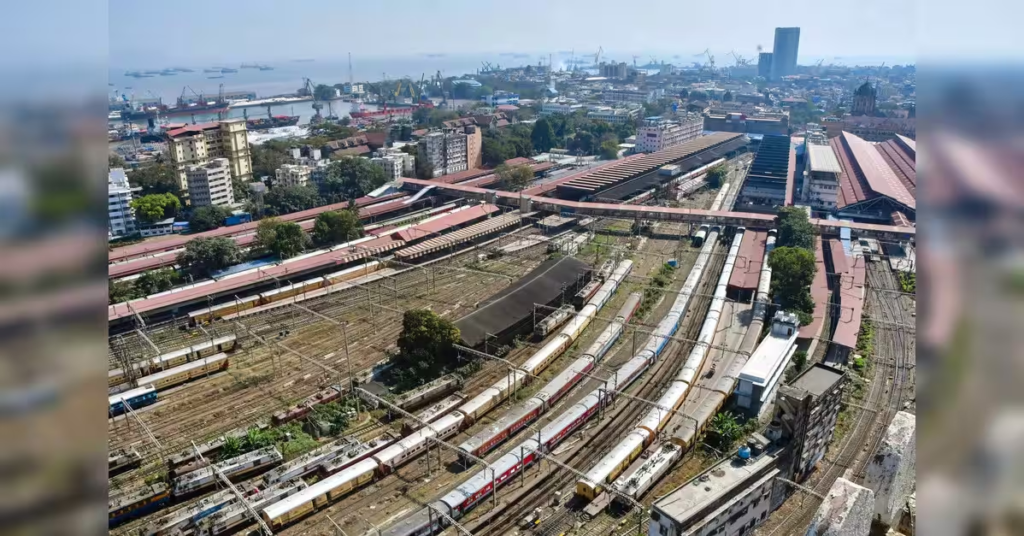
The most notable update concerns Vijayawada Railway Station. The redevelopment proposal had already cleared approval from the Public-Private Partnership Appraisal Committee (PPPAC), a key clearance stage, before moving to the tendering process. However, the tender for the project received no offers from private bidders, forcing the railways to re-invite bids for the project.
This kind of setback highlights one of the recurring challenges with Indian Railways PPP station redevelopment: unlike government-funded projects, these redevelopments depend on private companies finding the investment commercially attractive enough to bid on.
Rani Kamalapati: The Model’s Success Story
Not every PPP-based redevelopment has struggled. Rani Kamalapati station in Madhya Pradesh is frequently cited as the model’s flagship success: a station that was fully developed and commissioned under this exact framework, and is often held up as proof that the approach can work when the right conditions align.
PPP vs EPC: Why Most Stations Aren’t Funded This Way
Despite the attention this model receives, it remains a small part of the overall station redevelopment effort. The vast majority of station upgrades, around 98% of awarded projects, are being delivered through the traditional EPC model, with only these 15 stations specifically routed through the PPP framework. Separately, the broader Amrit Bharat Station Scheme has already completed redevelopment work at 180 stations nationwide, with work ongoing at over 1,300 additional sites.
What’s Next for Indian Railways PPP Station Redevelopment
With Vijayawada’s tender back in the market and the remaining 14 stations still in the planning and financial modelling stage, none of the 15 PPP-identified stations besides Rani Kamalapati have reached completion yet. The pace of Indian Railways PPP station redevelopment going forward will likely depend on how attractive each project looks to private investors, along with continued government support to de-risk these deals.
For more updates on India’s infrastructure and railway news, check out our National section.
Frequently Asked Questions
What is the Indian Railways PPP station redevelopment model?
It is a funding approach where private companies invest in redeveloping railway stations in exchange for rights to operate and monetize commercial spaces within them, as opposed to the government fully funding the work itself.
How many stations are part of the PPP redevelopment plan?
15 stations have currently been identified under the Indian Railways PPP station redevelopment framework, including Vijayawada, Chennai Central, Pune, and Delhi Junction.
Why did the Vijayawada station tender fail?
The tender for Vijayawada’s redevelopment received no offers from private bidders despite prior approval from the PPP Appraisal Committee, and has since been re-invited.
Which station is considered the biggest PPP success so far?
Rani Kamalapati station in Madhya Pradesh is widely cited as the most successful example of a station fully redeveloped under the PPP model.
Is the PPP model the main way Indian Railways is redeveloping stations?
No. About 98% of station redevelopment projects use the EPC (government-funded) model, with only 15 stations currently routed through the PPP framework.
Pingback: Pune Kharadi Keshavnagar Bridge: Amazing 411-Metre Flyover Finally Opens - NovaKhabar