
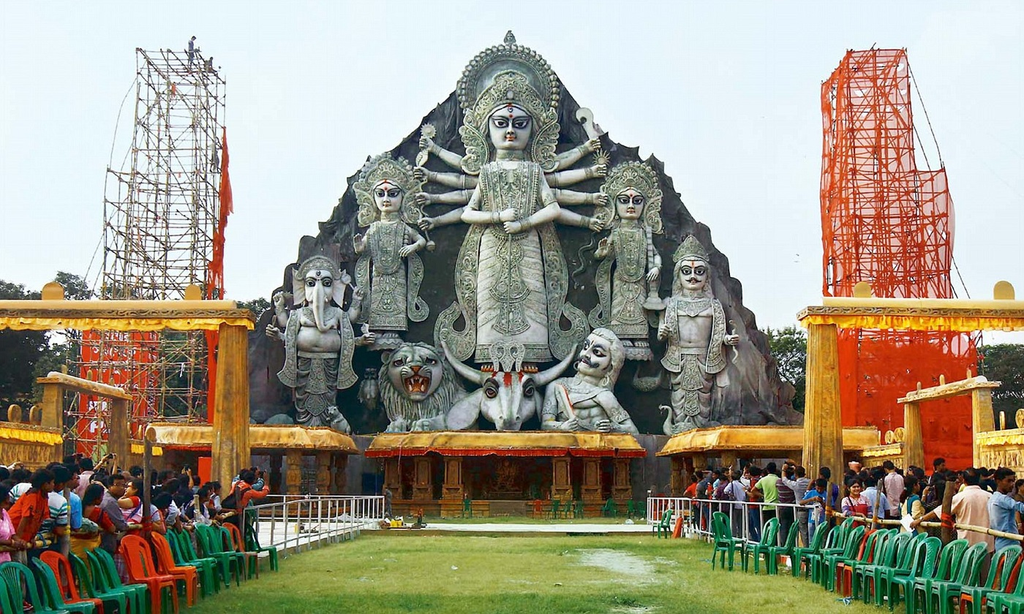
Durga Puja Pandal South Kolkata: Amazing 2026 Themes to See
Durga Puja pandal South Kolkata hopping for 2026 centers on a handful of genuinely striking themes this year, from an environmental warning built entirely from recycled material to a full-scale Somnath Temple recreation, with Shashthi falling on October 16.
When Is Durga Puja 2026 in Kolkata?
Durga Puja 2026 runs from Shashthi on October 16 through Vijaya Dashami, with Saptami on October 17 and the twin peak days, Ashtami and Navami, falling around October 18-19.
Sources genuinely disagree on the exact final day, with some listing Dashami on October 20 and others on October 21, so it’s worth confirming the closing date with a specific pandal committee or a local calendar closer to the date rather than locking in a single source blindly. Mahalaya, which marks the start of Devi Paksha, already passed on October 10.
Which South Kolkata Pandals Have the Best Themes This Year?
A handful of durga puja pandal south kolkata spots are drawing the most attention in 2026 specifically for how ambitious their themes are.
Rajdanga Naba Uday Sangha’s “Shodhan” is probably the most talked-about South Kolkata theme this year, built entirely around the consequences of environmental destruction, rapid urbanisation, and wasteful use of natural resources. Santosh Mitra Square at Lebutala Park has gone with “Vande Mataram” to mark the 150th anniversary of India’s national song, reportedly featuring a moving train replica alongside a light-and-sound show. Alipore Sarbojanin Durgotsav in Chetla is celebrating its 81st year by recreating the Ramayana chronologically through artistic installations, paper craft, and folk-dance performances, while Ekdalia Evergreen Club has built a full recreation of Gujarat’s Somnath Temple as its main attraction.
What Other South Kolkata Pandals Are Worth Visiting?
Beyond the headline-theme pandals, any durga puja pandal south kolkata route should also account for a dense cluster of well-established puja committees worth building a route around.
Names that come up consistently across local guides include Jodhpur Park, Deshapriya Park, Singhi Park, Ballygunge Cultural Association, Mudiali Club, Bosepukur Sitala Mandir, Hindusthan Park Sarbojanin, and Bakul Bagan. Many of these cluster tightly enough around Kalighat and Rabindra Sarobar metro stations that a single evening of walking can realistically cover several of them without needing transport in between. The Federal’s coverage of Kolkata’s 2026 theme pandals has a fuller rundown if you want to compare themes before picking a route.
What’s a Good Pandal-Hopping Route in South Kolkata?
One practical route that local guides suggest starts by taking the metro to Tollygunge in the morning and working north from there on foot.
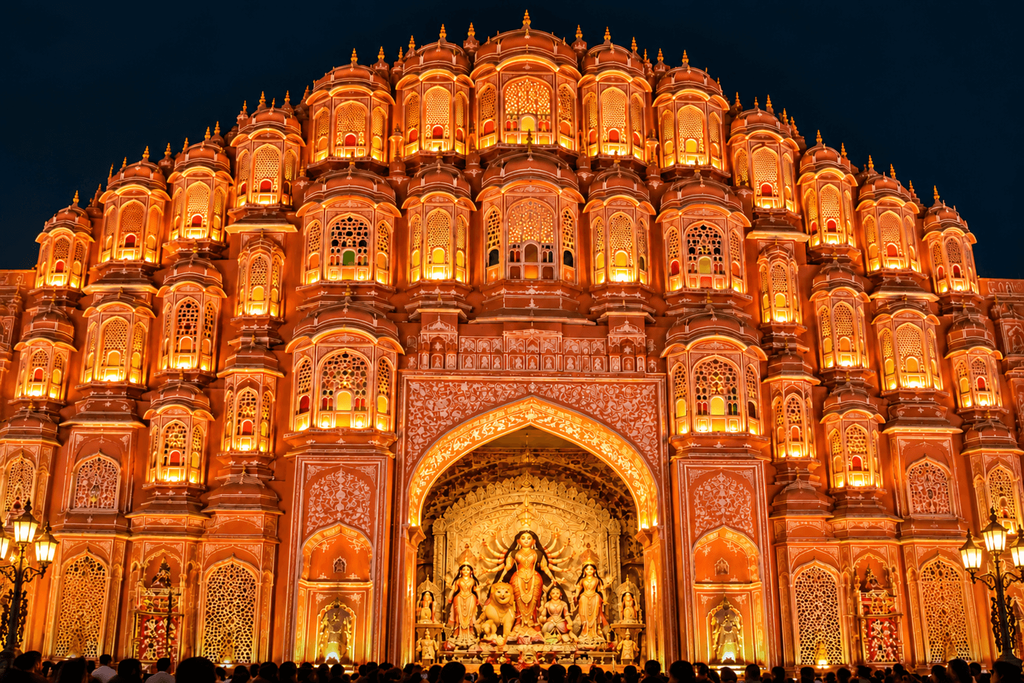
From Tollygunge, the natural walking sequence covers Jodhpur Park, then Ekdalia Evergreen, then Deshapriya Park, by which point crowd levels usually make it sensible to switch back to the metro for any longer jump rather than continuing on foot, especially during peak Ashtami and Navami evenings when South Kolkata’s narrower lanes get genuinely packed.
Read more about: BSNL 4G Network Expansion India
Frequently Asked Questions
Is it better to visit South Kolkata pandals during the day or at night?
Daytime visits generally mean shorter queues and better visibility of the artwork, while night visits show off the lighting design but come with significantly larger crowds, especially on Ashtami and Navami.
Do South Kolkata pandals charge an entry fee?
Most community pandals in South Kolkata are free to enter, though some of the larger, more elaborate installations may have paid fast-track entry options during peak hours.
Which metro line is most useful for South Kolkata pandal hopping?
The stretch covering Kalighat, Rabindra Sarobar, and Tollygunge on the Kolkata Metro’s North-South line puts you within walking distance of most of the well-known South Kolkata pandal clusters.
