
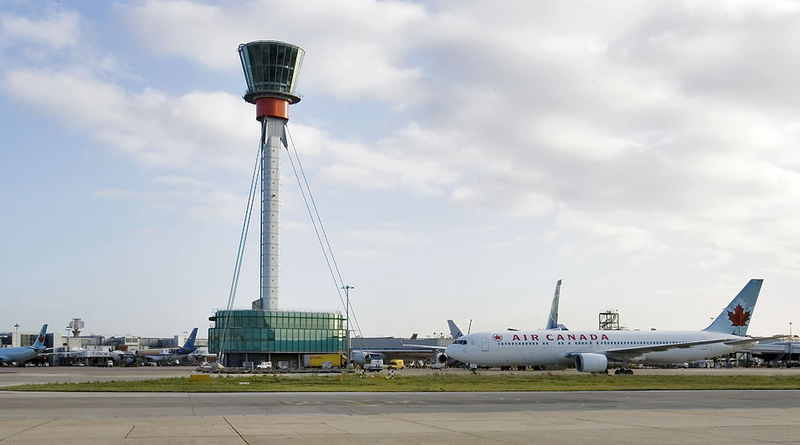
Heathrow Airport Air Traffic Control: Shocking Failure Grounds 1,300 Flights
Heathrow airport air traffic control ground to a halt on September 8, 2026, when a technical failure at the UK’s national air navigation provider forced every single departure to stop, triggering nearly 1,300 flight cancellations across the country and disrupting India-UK connectivity in the process. Here’s exactly what happened, what actually caused it, and what it means if you have a flight through Heathrow this week.
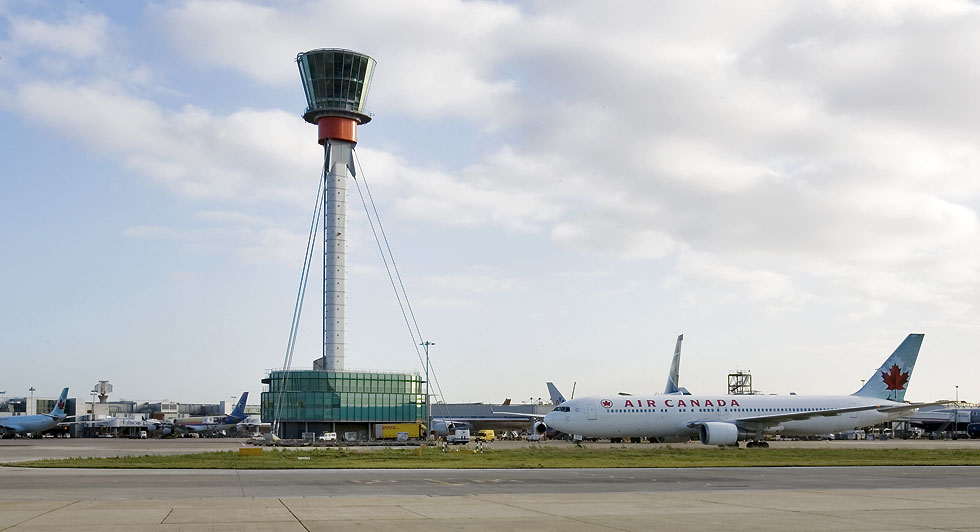
Key Takeaways:
- Heathrow airport air traffic control stopped all departures at 12:48 BST on September 8, 2026, after a failure in NATS’s flight-processing system.
- Around 1,300 flights to and from UK airports were cancelled that day, with knock-on cancellations continuing into September 9.
- UK air traffic officials have explicitly ruled out a cyberattack as the cause.
- The failure was reportedly triggered by a rare flight-plan data error that caused both the primary and backup systems to shut down at once.
- Air India’s Mumbai-London flight was diverted to Zurich and cancelled, and an IndiGo Delhi-London flight was diverted to Paris.
What Happened at Heathrow Airport Air Traffic Control?
Heathrow airport air traffic control came to a standstill at 12:48 BST on September 8, 2026, when NATS, the UK’s air navigation service provider, suffered a sudden failure in its flight-data processing system. NATS confirmed the issue by 13:46 BST and identified it as a flight-processing system failure by 15:25 BST. The problem was declared resolved by 19:30 BST that evening, but the backlog of misplaced aircraft and crews meant disruption carried well into the next day.
Was the Heathrow ATC Failure a Cyberattack?
No. The head of UK air traffic control services stated clearly that a cyberattack has been ruled out, telling the BBC that investigators had “at this point ruled out cyber” as a cause. That’s a meaningful distinction for travelers worried about a security breach, since this was treated from the outset as a software and systems failure rather than an external attack.
What Actually Caused the Heathrow Airport Air Traffic Control Failure?
According to technical analysis of the incident, the fault began when a single flight plan contained a rare combination of route waypoints that created duplicate entries inside the system’s internal processing logic. Rather than simply rejecting that one flight plan, the software triggered a fail-safe shutdown designed to stop corrupted data from spreading further. The bigger problem was that both the primary system and its backup shared the exact same underlying software logic, so switching over to the backup didn’t fix anything, it just carried the same vulnerability with it, forcing controllers to rely on manual workarounds until the issue was actually resolved.
Hasn’t This Happened to Heathrow Airport Air Traffic Control Before?
Uncomfortably, yes, and in a strikingly similar way. In August 2023, a NATS software bug misread an unusual flight plan, triggered a shutdown of the primary system, and then pushed the secondary system into the same protective maintenance mode, cutting flight-plan processing from roughly 800 per hour down to about 60. That incident caused over 1,500 cancellations, disrupted more than 700,000 passengers, and cost airlines an estimated 100 million pounds. A separate radar-related outage in July 2025 caused several more hours of delays and diversions.
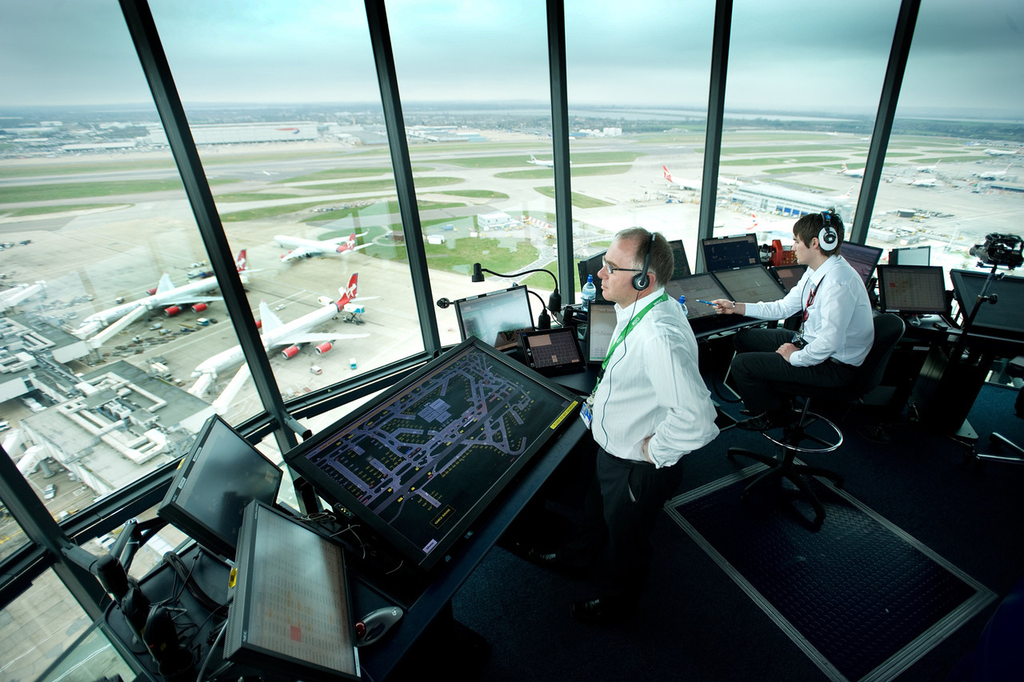
The core weakness across all three incidents is the same: a rare or unusual flight-plan input triggers a fail-safe shutdown, and the backup system, built on the same underlying logic, ends up just as vulnerable as the system it’s supposed to protect against failing.
How Many Flights Were Cancelled?
Flight tracking service Flightradar24 recorded around 1,300 cancellations to and from UK airports on September 8 alone, with the vast majority tied to Heathrow airport air traffic control specifically rather than other UK airports. By Wednesday morning, 246 flights had already been cancelled at Heathrow, and Flightradar24 tracked another 177 UK cancellations for the day, again concentrated almost entirely at Heathrow. Ryanair alone said around 65,000 of its passengers were disrupted, with more than 50 of its scheduled flights cancelled.
How Did This Affect India-UK Flights?
The Heathrow airport air traffic control failure reached well beyond British travelers. Air India flight AI131, flying from Mumbai to London, was diverted mid-route and landed in Zurich instead, and the flight was ultimately cancelled outright, with all passengers deboarding in Switzerland. Separately, IndiGo’s flight 6E3 from Delhi to London Heathrow was diverted to Paris. British Airways and Virgin Atlantic, both major operators on India-UK routes, were affected as well, according to Business Today’s coverage of the India impact.
Is Heathrow Airport Air Traffic Control Back to Normal Now?
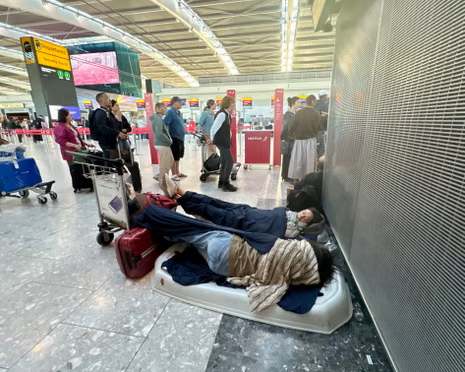
Mostly, but not completely. As of September 9, Heathrow says flights are operating again, though passengers should expect continued knock-on disruption while airlines reposition aircraft and crew that ended up in the wrong locations during Tuesday’s chaos, a common aftereffect confirmed by CNN’s reporting on the recovery. Heathrow has specifically advised passengers to confirm their flight is operating before heading to the airport rather than assuming normal service has fully resumed.
What Should Affected Passengers Do?
If your flight was cancelled or significantly delayed because of the Heathrow airport air traffic control failure, check directly with your airline before traveling to the airport, since schedules are still being adjusted day by day. Passengers on cancelled or heavily delayed UK-departing flights may also be entitled to compensation or rebooking support under UK passenger rights rules, though airlines can sometimes argue technical air traffic failures outside their control limit what they’re required to offer, so it’s worth checking your specific airline’s policy directly.
For more travel and aviation coverage, check out our Travel section, including our earlier explainer on why pilots use the brace position during actual in-flight emergencies, a very different kind of aviation safety story than this systems failure.
Frequently Asked Questions
What happened at Heathrow airport air traffic control?
A failure in NATS’s flight-processing system forced Heathrow to stop all departures at 12:48 BST on September 8, 2026, triggering nearly 1,300 UK flight cancellations that day.
Was the Heathrow air traffic control failure a cyberattack?
No. UK air traffic officials explicitly ruled out a cyberattack, describing it instead as a technical software failure.
What caused the NATS system to fail?
A rare flight-plan data combination reportedly created duplicate entries in the system, triggering a fail-safe shutdown that also affected the backup system since it shared the same underlying software logic.
Did the Heathrow disruption affect flights to India?
Yes. Air India’s Mumbai-London flight was diverted to Zurich and cancelled, and an IndiGo Delhi-London flight was diverted to Paris, among other India-UK route disruptions.
Is Heathrow operating normally now?
Flights resumed on September 9, but Heathrow has warned of continued knock-on delays and cancellations while aircraft and crew are repositioned.