
What Exactly Is Labor Day Celebrated For? Shocking 1894 Origin Story
What exactly is Labor Day celebrated for comes down to one thing: honoring American workers, but the holiday’s real backstory involves a deadly railroad strike, a president’s election-year olive branch, and a deliberate break from how the rest of the world marks workers’ rights. Here’s the full history, plus answers to the specific questions people keep asking every year around this exact time.
Key Takeaways:
- Labor Day honors the social and economic contributions of American workers, first celebrated in 1882 and made a federal holiday in 1894.
- The federal holiday was signed into law just days after the U.S. government violently broke the Pullman Strike, killing around 13 people.
- The U.S. deliberately picked a September date instead of May 1st to distance the holiday from the more radical, internationally-observed May Day.
- Only the U.S. and Canada celebrate Labor Day in September; over 80 other countries mark International Workers’ Day on May 1st instead.
- The “no white after Labor Day” rule traces back to Gilded Age class signaling, not any practical fabric concern.
What Exactly Is Labor Day Celebrated For?
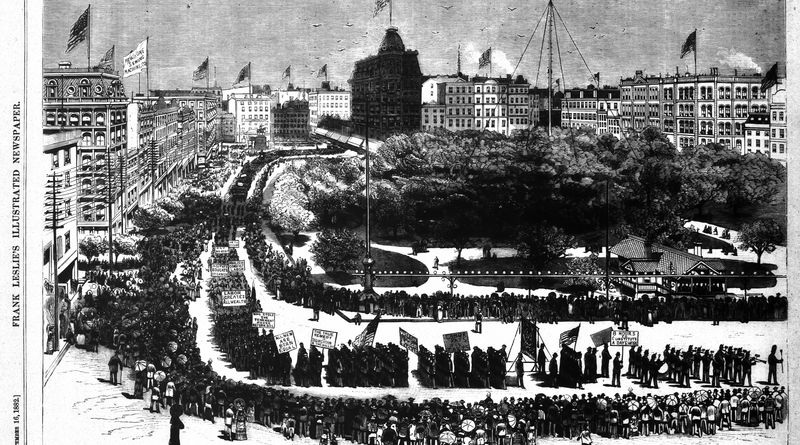
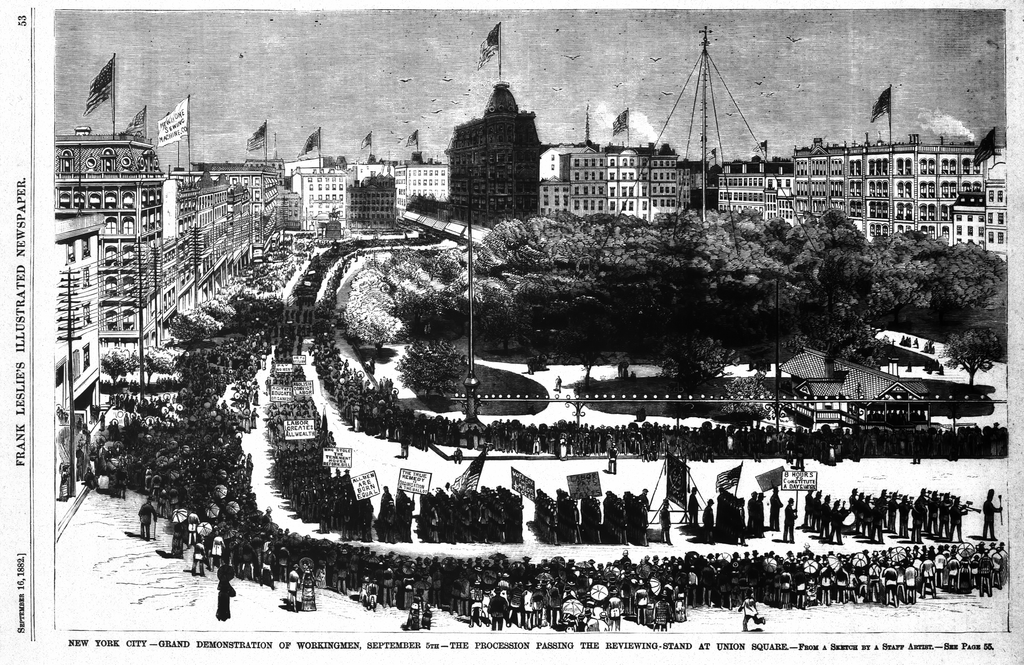
Labor Day exists to honor the social and economic achievements of American workers. The first Labor Day parade happened on September 5, 1882, when roughly 10,000 workers took unpaid time off to march from New York’s City Hall to Union Square. The idea spread to other industrial states over the next decade, but it became a federal holiday under much darker circumstances: in 1894, President Grover Cleveland signed Labor Day into law just weeks after federal troops violently broke the Pullman Strike in Chicago, an event that left around 13 workers dead, as detailed in Time’s account of the holiday’s bloody backstory. Making Labor Day official was widely seen as Cleveland’s election-year attempt to smooth things over with organized labor.
What Are 3 Facts About Labor Day?
Here are three facts that capture what exactly is Labor Day celebrated for and where it actually came from. First, the holiday predates its federal recognition by twelve years, with the earliest parade held in 1882. Second, its path to becoming law was tied directly to labor violence, specifically the Pullman Strike of 1894, rather than a purely celebratory origin. Third, despite honoring workers, the U.S. version of the holiday was deliberately designed to feel less political than its international counterpart, a distinction that still shapes how it’s celebrated today.
Why Can’t You Wear White After Labor Day?
You technically can, the rule is a fashion myth with no real practical basis. It traces back to the Gilded Age, when white clothing signaled that a person was wealthy enough to avoid manual labor and to take end-of-summer vacations, making it a class marker as much as a style choice. Fall’s mud, soot, and worse weather gave the rule a practical-sounding cover story over time, but fashion authorities have declared it obsolete since the 1990s, according to HISTORY’s own reporting on the rule’s origins, even though it still lingers in popular memory.
Is Labor Day a Patriotic Holiday?
Not in the same way as the Fourth of July. Once you understand what exactly is Labor Day celebrated for, the answer becomes clearer: it’s better described as a workers’-rights holiday than a patriotic one, since its core purpose is honoring labor contributions rather than celebrating national independence or founding history. That distinction was actually deliberate: American organizers and lawmakers shaped Labor Day specifically to feel less politically charged than the international workers’ movement it grew alongside, favoring parades, festivals, and barbecues over overt political messaging.
What Was the Massacre on Labor Day?
There isn’t one single confirmed event officially called the “Labor Day Massacre,” and this question usually reflects some understandable confusion between a few different labor tragedies. The violence most directly tied to Labor Day’s actual creation was the 1894 Pullman Strike, where federal troops killed around 13 workers while breaking a railroad strike near Chicago.
People sometimes also conflate this with the Haymarket Affair of May 1886, whose bombing and shooting deaths helped inspire the international May Day movement, or the separate 1937 Memorial Day Massacre, where Chicago police killed ten striking steelworkers, an entirely different holiday and decade. None of these three events share an official “Labor Day Massacre” name, but the Pullman Strike is the one genuinely woven into the holiday’s own origin story.
Why Is Labor Day Different in the US?
The U.S. deliberately chose a different date and tone from the rest of the world, which is really the same reason behind what exactly is Labor Day celebrated for in America specifically. Both Labor Day and the international May Day trace back to the same era of American labor unrest, but U.S. organizers picked the first Monday in September specifically to avoid association with the more radical political overtones tied to May 1st celebrations elsewhere. According to Britannica, the American version leans into parades, festivals, and cookouts rather than the more overtly political tone May Day carries in many other countries.
What Countries Celebrate Labor Day?
Only the United States and Canada celebrate a “Labor Day” on the first Monday of September. More than 80 other countries instead observe International Workers’ Day on May 1st, a date rooted in the same 1886 American labor unrest that indirectly shaped the U.S. holiday too, just channeled into a very different global tradition.
Why Is Labor Day May 1st?
It isn’t, at least not in the United States, and this is one of the most common points of confusion tied to the holiday. In the U.S., Labor Day always falls on the first Monday in September. May 1st is International Workers’ Day, sometimes called May Day, observed in more than 80 countries around the world, and it commemorates the same 1886 labor movement history that the U.S. deliberately chose not to align its own holiday with.
The confusion usually comes from search engines and calendars built for international audiences, where “Labor Day” and “May Day” get used almost interchangeably despite marking different dates for different reasons. If a source tells you Labor Day is May 1st, it’s almost certainly describing the holiday as celebrated somewhere other than the United States or Canada.
For more explainers like this, check out our Education section.
What exactly is Labor Day celebrated for?
It honors the social and economic contributions of American workers, first marked in 1882 and made a federal holiday in 1894 following the deadly Pullman Strike.
Why can’t you wear white after Labor Day?
It’s a Gilded Age fashion myth rooted in class signaling, not a practical rule, and most fashion authorities have declared it obsolete.
Is Labor Day the same as May Day?
No. Labor Day is a U.S. and Canada-only holiday on the first Monday of September, while May Day (International Workers’ Day) is observed on May 1st in over 80 other countries.
Was there really a massacre connected to Labor Day?
No single event is officially called the “Labor Day Massacre.” The Pullman Strike of 1894, which killed around 13 workers, is the tragedy most directly tied to the holiday’s creation.
What countries celebrate Labor Day in September like the US?
Only the United States and Canada mark Labor Day in September; the rest of the world that observes a similar holiday does so on May 1st instead.