
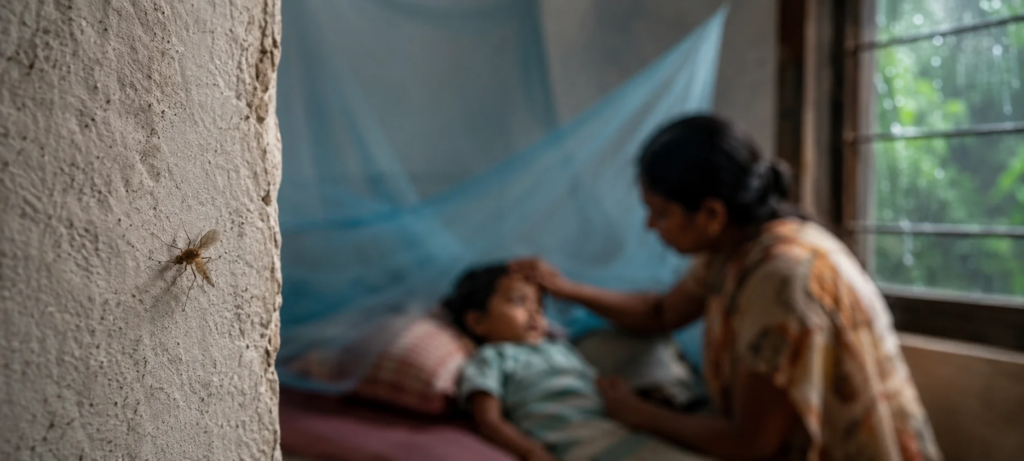
Chandipura Virus: Official Alert as Gujarat Death Toll Reaches 25
Chandipura virus has claimed 25 lives in Gujarat as of the latest confirmed count, with health authorities tracking hundreds of suspected cases since the outbreak began this monsoon season. Here’s what the virus is, how it spreads, the latest numbers, and how families can protect themselves.
What Is Chandipura Virus?
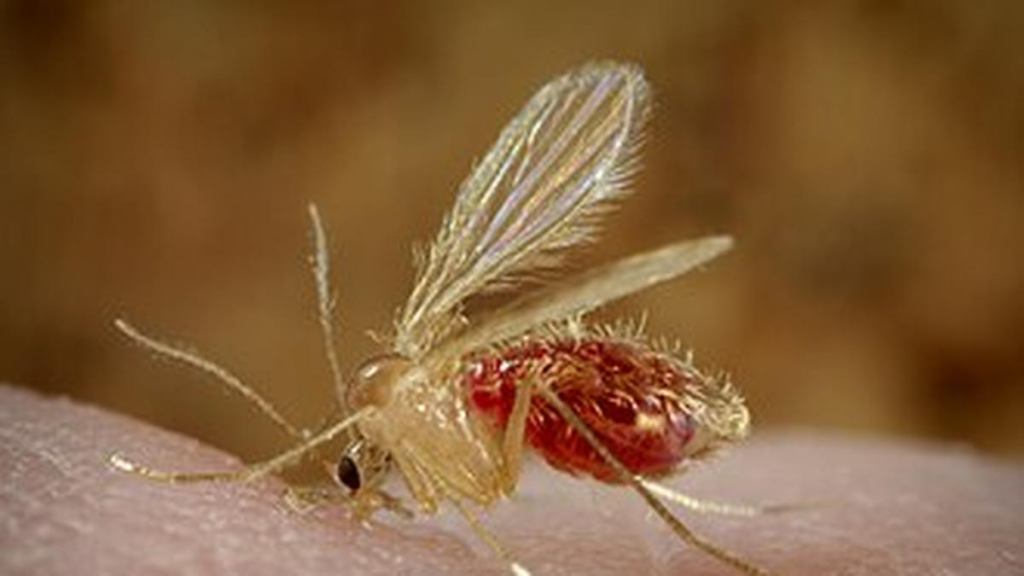
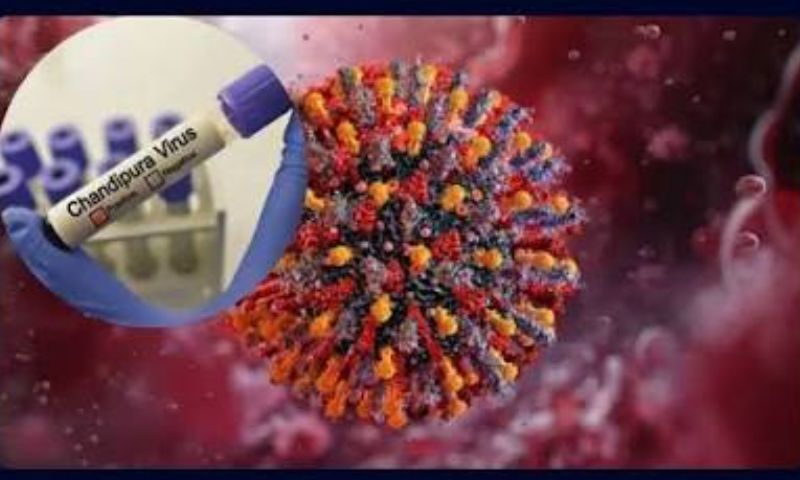
Chandipura virus belongs to the Vesiculovirus genus of the Rhabdoviridae family and spreads primarily through the bite of infected sandflies (Phlebotomus species), with mosquitoes and other biting insects also under investigation as possible vectors. The virus does not spread from person to person, which sets it apart from respiratory illnesses. It primarily affects children under 15, and in serious cases can progress from what looks like a routine fever to fatal brain inflammation within 24 to 48 hours.
The 2026 Outbreak: Latest Numbers
As of August 10, 2026, Gujarat has recorded 225 suspected Chandipura virus cases since June 30, with 39 laboratory-confirmed infections and 25 deaths among confirmed patients. The outbreak began in the first week of July 2026 and has been concentrated mainly in Gujarat, with a smaller number of cases also reported in neighbouring Rajasthan. These figures are moving quickly, and the confirmed toll may well have changed further since this count was taken, so readers should treat this as the latest verified snapshot rather than a final number.
Symptoms to Watch For
Early Chandipura virus symptoms include sudden high fever, severe headache, nausea, vomiting, and fatigue. In serious cases, the infection can affect the brain within hours, leading to seizures, confusion, and loss of consciousness. Because deterioration can happen so quickly, doctors are urging parents to seek immediate medical attention if a child develops any of these neurological symptoms rather than waiting to see if the fever passes on its own.
Why Are Children Most at Risk?
Children under 15 have consistently made up the overwhelming majority of Chandipura virus cases and deaths in every recorded Indian outbreak, including this one. Health authorities haven’t fully explained the biological reasons behind this age-specific vulnerability, but the pattern has held consistently enough that it shapes how outbreak response and public awareness efforts are being targeted this monsoon season.
Is There a Treatment or Vaccine?
There is currently no specific antiviral treatment or vaccine for Chandipura virus. Care remains entirely supportive: managing fever, preventing dehydration, controlling seizures, and treating complications as they arise. This makes early hospitalization especially important, since supportive care has a much better chance of working before the infection progresses.
How to Protect Your Family
Health authorities recommend a few practical precautions during this outbreak:
- Use insect repellents, particularly during dusk and dawn hours when sandflies are most active
- Dress children in long-sleeved clothing during these peak hours
- Install window screens and use mosquito nets while sleeping
- Eliminate stagnant water and organic waste near homes, since these are common sandfly breeding sites
- Seek immediate hospitalization at the first sign of high fever combined with any neurological symptoms
Government Response
The Union Ministry of Health and Family Welfare deployed a National Joint Outbreak Response Team (NJORT) to Gujarat and Rajasthan on August 5, 2026, alongside a broader multi-agency scientific investigation under the One Health framework, which integrates human, animal, and environmental health expertise to strengthen surveillance, diagnostics, and vector investigation.
Has This Happened Before in India?
Chandipura virus isn’t new to India. A separate outbreak in 2024 recorded 245 suspected acute encephalitis syndrome cases and 82 deaths, with 64 infections confirmed via laboratory testing, according to World Health Organization records. India’s largest historically documented outbreak remains the one in Andhra Pradesh in 2003, with 329 suspected cases and 183 deaths. Each outbreak has followed a broadly similar monsoon-season pattern, tied closely to sandfly activity.
This isn’t the only public safety concern making headlines this month either, our coverage of the Ghatkopar Kurla landslide covers another serious incident authorities have had to respond to in recent days.
What This Means Going Forward
With cases and the confirmed death toll still being updated, the current Chandipura virus outbreak remains an active public health situation rather than a resolved one. Similar safety concerns have surfaced in other contexts recently too, our coverage of the Morbi well water incident covers another case where basic safety measures made a critical difference.
Disclaimer: This article is for general informational purposes only and is not a substitute for professional medical advice, diagnosis, or treatment. If a child or anyone else shows symptoms of high fever, seizures, or altered consciousness, seek immediate medical attention rather than relying on this article alone. For official updates, refer to the Ministry of Health and Family Welfare.
For more national news and health updates, check out our National section.
Frequently Asked Questions
What is Chandipura virus?
It’s a virus from the Rhabdoviridae family, spread mainly by infected sandfly bites, that can cause acute encephalitis and is most dangerous to children under 15.
How many people have died from Chandipura virus in 2026?
As of August 10, 2026, Gujarat had recorded 25 confirmed deaths among 39 laboratory-confirmed Chandipura virus cases, out of 225 suspected cases reported since June 30.
How does Chandipura virus spread?
It spreads primarily through the bite of infected sandflies, with mosquitoes and other biting insects also under investigation. It does not spread from person to person.
Is there a vaccine for Chandipura virus?
No. There is currently no specific antiviral treatment or vaccine, and care is limited to supportive treatment of symptoms.
What are the symptoms of Chandipura virus?
Early symptoms include sudden high fever, severe headache, nausea, vomiting, and fatigue, which can progress to seizures, confusion, and loss of consciousness within 24 to 48 hours in serious cases.
